Your Free, Always-Current Curriculum Is Hiding in the Release Notes
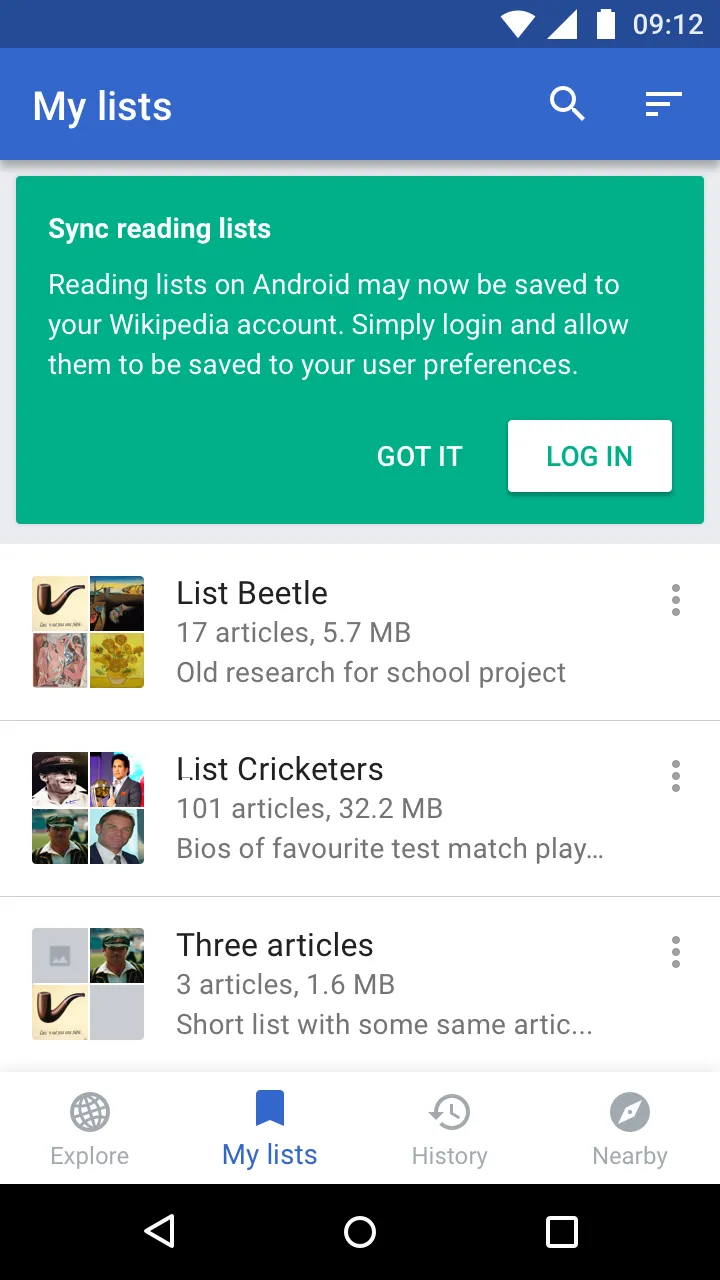
Photo: Rita Ho, Wikimedia developers, and the contributors of the English Wikipedia, CC BY-SA 4.0, via Wikimedia Commons
Here's a habit worth stealing from senior engineers: they actually read the changelog. Not the marketing blog post announcing the new version. The dry, unglamorous list of what shipped, what broke, and what got deprecated.
For a self-taught developer, that list is something bigger than housekeeping. It's a syllabus that updates itself.
What a Changelog Actually Teaches You
A tutorial teaches you a snapshot. A changelog teaches you a trajectory.
When you read the React 19 release notes, you're not just learning about Actions or the new use hook. You're watching a team of engineers respond to years of real-world complaints — about data fetching, about boilerplate, about performance. The changelog is the answers key to the exam the industry has been taking.
The same goes for VS Code's monthly updates, which quietly ship features that could save you hours — multi-file search-and-replace refinements, better terminal profiles, inline diffs. Most developers never learn these because nobody wrote a Udemy course about them. They exist only in the release notes.
And Postgres? Every major release reads like a masterclass in database engineering. New index types, query planner improvements, replication upgrades — each one is a breadcrumb pointing toward a concept you didn't know you needed to learn.
The Weekly Habit That Compounds
Here's the whole system:
- Pick three or four tools you actually use. React, VS Code, Node, Postgres, Tailwind — whatever's in your daily stack. Don't pick aspirational tools. Pick real ones.
- Check their changelogs once a week. Friday afternoons work well. Most major projects release on predictable cycles, so this takes ten minutes, not an evening.
- Keep a running note. One line per interesting change. Not a summary — a question. "Does the new
useOptimistichook replace my manual pattern?" Questions become your learning queue. - Pick one thing per month to go deep on. That's it. One changelog item, actually explored.
Do the math: that's twelve deep dives a year on the tools you already use for work. That's more practical than most paid courses, and it costs nothing.
Sorting Signal From Noise
Not every changelog entry deserves your attention. Here's a rough triage:
- Breaking changes and deprecations: Always read these. This is the stuff that will bite you in six months when your code stops working. Deprecation warnings are your industry's version of a recall notice.
- New APIs and features: Read the description. If it solves a problem you've personally hit, add it to your queue. If you've never felt the pain it addresses, skip it guilt-free.
- Bug fixes and internals: Skim. But occasionally a bug fix description is a free lesson in how something works under the hood — those are gold.
- Performance numbers: Mostly marketing. Unless your app has that exact problem, move on.
The filter is simple: does this change something I'll touch in the next three months? If yes, learn it. If no, file it away mentally. You're building awareness, not mastery — knowing a feature exists is half the battle when you need it later.
Why This Beats Another Course
Courses have a shelf life problem. By the time someone scripts, films, and edits a course on a framework, that framework has shipped two more major versions. Changelogs, by contrast, are the primary source. No intermediary, no lag, no paywall.
Reading release notes also trains a skill courses can't: learning to read like an engineer. You start noticing why changes happen, not just what they are. A deprecation tells you a pattern is dying. A new feature tells you a problem got common enough that the maintainers built for it. That's market intelligence for your own career — the changelog of your stack is quietly telling you what skills are becoming valuable.
And there's a subtler benefit. Following a project's releases over time demystifies software itself. You watch version 2.4's clever hack become version 3.0's embarrassing mistake. You see that even the tools made by the best engineers in the world are just... iterative, imperfect, human. For a self-taught developer prone to imposter syndrome, that's a healthy dose of perspective.
Start This Week
Open the changelog for one tool you used today. React, VS Code, whatever's on your screen. Read the last three releases — it'll take fifteen minutes. Write down one question.
That question is your next lesson. And next week, there'll be another one waiting.
That's the whole trick of teaching yourself tech: you don't need a curriculum handed to you. You just need to pay attention to the one being written in front of you, one release at a time.